
Disclosure: As an Amazon Associate, Secure4Peace earns from qualifying purchases. Some links in this guide are affiliate links, and we may earn a commission at no extra cost to you. We choose products by reading manufacturer specifications and retailer listings. We have not tested these products ourselves. Prices and availability change often, so we do not list prices. Please check the current details on Amazon before you buy.
Emergencies can happen with little warning. A major storm. A power outage. A natural disaster. A situation that interrupts normal services. During an emergency, stores may be crowded, roads may be difficult to travel, and important supplies may not be easy to find. A 72-hour emergency kit is designed to help your household manage the first few days of an unexpected situation. The goal is not to prepare for every possible scenario. The goal is to have the basics you may need while you wait for conditions to improve or additional help becomes available.
What’s In This Guide
- What Is a 72-Hour Emergency Kit?
- Water: Your First Priority
- Emergency Food Supplies
- Flashlights and Emergency Lighting
- Emergency Communication Tools
- First-Aid Supplies
- Personal Hygiene Supplies
- Emergency Clothing and Blankets
- Basic Tools and Supplies
- Important Documents and Information
- Medications and Special Needs
- Emergency Supplies for Pets
- Store Your Emergency Kit Properly
- Emergency Kit Checklist
- Common Emergency Kit Mistakes
- Should You Buy a Pre-Made Emergency Kit?
What Is a 72-Hour Emergency Kit?
A 72-hour emergency kit is a collection of essential supplies intended to support your household during the early stages of an emergency. A good kit usually includes:
- Water
- Food
- Lighting
- Communication supplies
- First-aid items
- Hygiene supplies
- Basic tools
- Important personal items
Your kit should be customized for the people in your household. A family with children, pets, medical needs, or older adults may require additional supplies.
1. Water: Your First Priority
Water is one of the most important emergency supplies. Consider your household size when preparing water storage. Your water plan should account for:
- Drinking needs
- Food preparation
- Special household requirements
Store water properly and check it periodically. Avoid waiting until an emergency occurs to figure out your water supply.
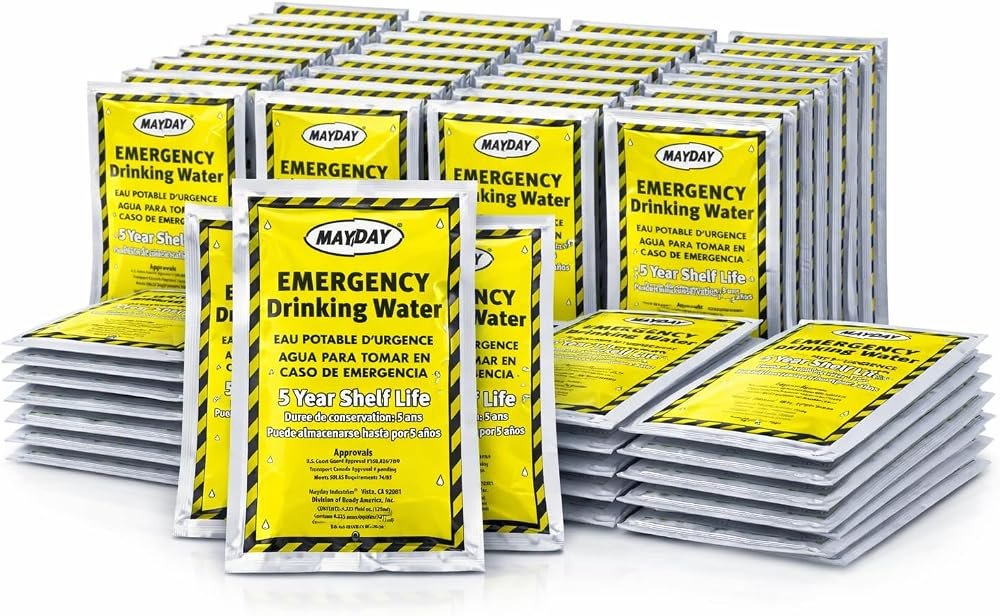
Fills the gap: portable water for a go-bag or car
Mayday Emergency Water Packets (50-pack)
Sealed pouches of drinking water with a 5-year shelf life per the listing. They are compact, so they fit in a go-bag, a car or a desk drawer.
What’s good: Easy to carry and easy to divide among family members. Nothing to open, pour or clean.
What’s not: These are a backup, not your main supply. A family still needs gallons at home to reach the numbers above. Check the total volume on the listing before you count on it.
Best for: Anyone building a go-bag, a car kit or a small-space kit, and renters with limited storage.
Free or cheaper option: Buy sealed gallon jugs of water and store them in a cool place. Replace homemade water every six months.
Check it on AmazonPaid link. We may earn a commission at no extra cost to you. Check the current price and details on Amazon.
2. Emergency Food Supplies
Emergency food should be:
- Shelf stable
- Easy to prepare
- Familiar to your household
- Properly stored
Examples may include:
- Canned foods
- Ready-to-eat meals
- Protein bars
- Dried foods
- Shelf-stable snacks
Remember: a food supply only helps if your family will actually use it. Rotate older supplies and replace items as needed.
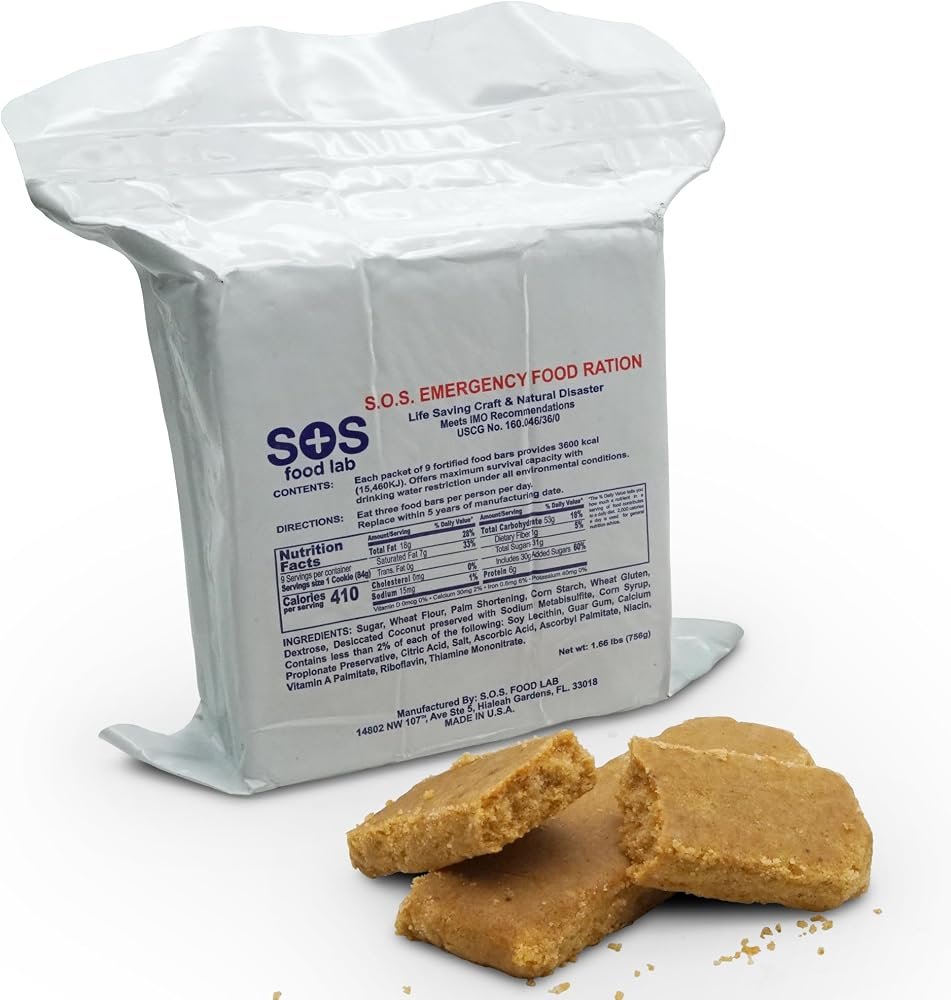
Fills the gap: food that needs no cooking
S.O.S. Rations Emergency Food, 3,600-Calorie 3-Day / 72-Hour Package
A compact ration listed as a 3-day, 72-hour package with a 5-year shelf life. It needs no cooking or added water and stores in a small space.
What’s good: Small, light and long-lasting. It is useful in a go-bag, a car or a small apartment.
What’s not: This is a bare-minimum backstop for one person, not a meal plan. Multiply it for your household, and taste it before you need it. Familiar foods are easier on people, especially children.
Best for: Small households, go-bags and car kits, or anyone who needs a low-effort backup.
Free or cheaper option: Stock canned and shelf-stable foods your household already eats and rotate them. Keep a manual can opener with them (see Basic Tools below).
Check it on AmazonPaid link. We may earn a commission at no extra cost to you. Check the current price and details on Amazon.
3. Flashlights and Emergency Lighting
When power fails, lighting becomes essential. Consider keeping:
- Flashlights
- Extra batteries
- Lanterns
- Headlamps
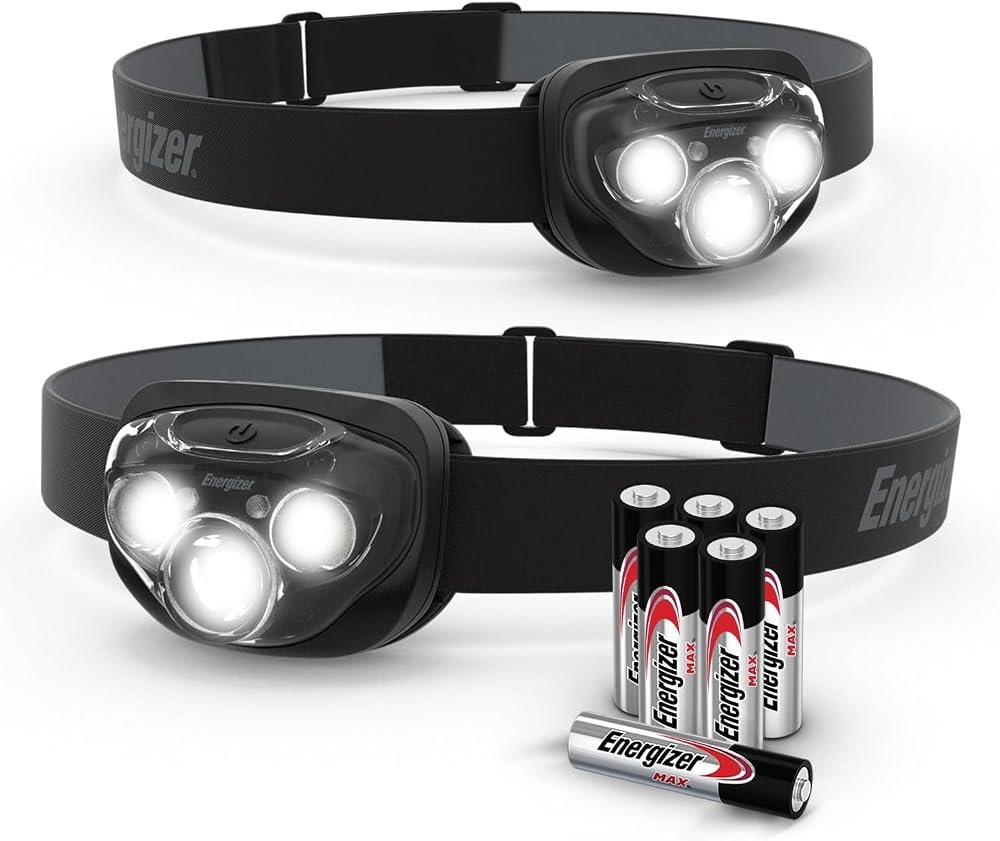
Fills the gap: hands-free light
Energizer LED Headlamp PRO (2-pack)
Two hands-free headlamps. As the tip above says, a headlamp lets you keep both hands free while you work, move, or help someone. The listing describes AAA-battery power.
What’s good: You get two, so two people can each have a light. They are light and easy to store in a go-bag.
What’s not: They need batteries, so store spares and check them twice a year. A headlamp is not a lantern for lighting a whole room.
Best for: Every household. It is an easy and inexpensive upgrade over holding a flashlight.
Free or cheaper option: Use the flashlights you already own and keep fresh batteries with them. A phone flashlight drains the battery you need for calls.
Check it on AmazonPaid link. We may earn a commission at no extra cost to you. Check the current price and details on Amazon.
4. Emergency Communication Tools
During emergencies, staying informed matters. Consider including:
- Battery-powered radio
- Emergency weather radio
- Portable phone charger
- Power bank
- Charging cables
Communication tools can help you receive updates and stay connected.
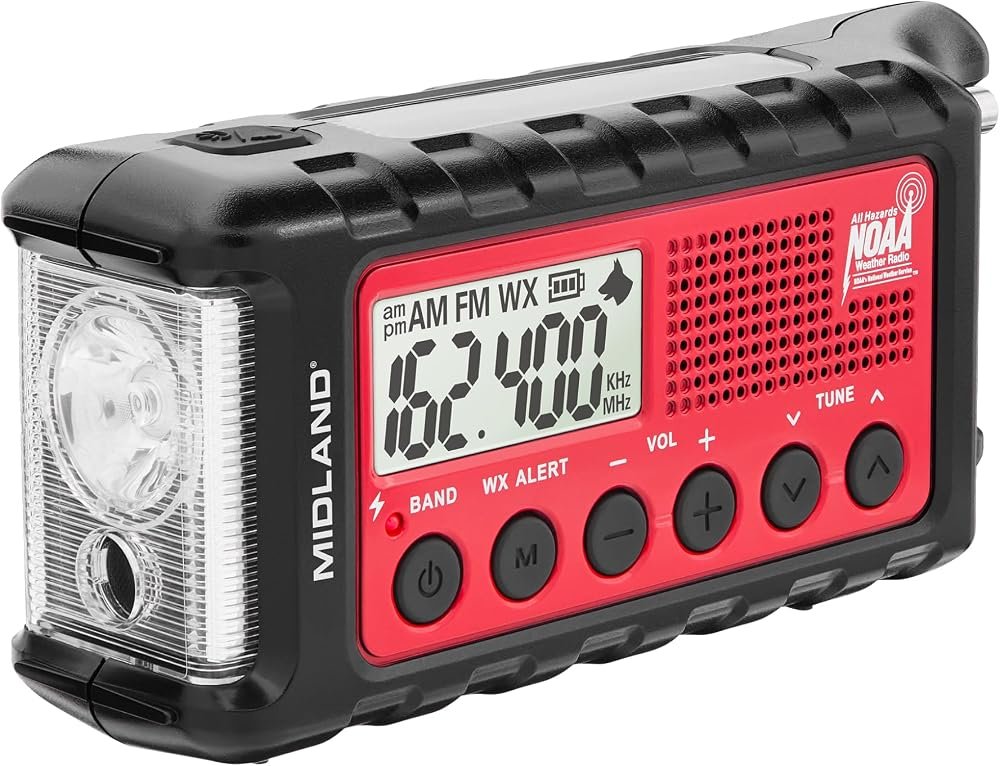
Fills the gap: news and weather with no power
Midland ER310 Emergency Crank Weather AM/FM Radio
An AM/FM and weather radio with a hand crank, multiple power sources and an SOS flashlight, per the listing. It gets you official updates when the internet or cell service is down.
What’s good: You do not depend on outlets or batteries alone. It gives you weather and news without a phone signal.
What’s not: It costs more than most items in this kit, and it takes practice to use. Learn how your radio works before an emergency, and check the listing for the exact features you need, such as weather alerts.
Best for: Families in storm, flood or outage-prone areas and anyone who wants information without relying on a phone.
Free or cheaper option: A simple battery-powered AM/FM radio and spare batteries gives you news. Look for one with a weather band.
Check it on AmazonPaid link. We may earn a commission at no extra cost to you. Check the current price and details on Amazon.
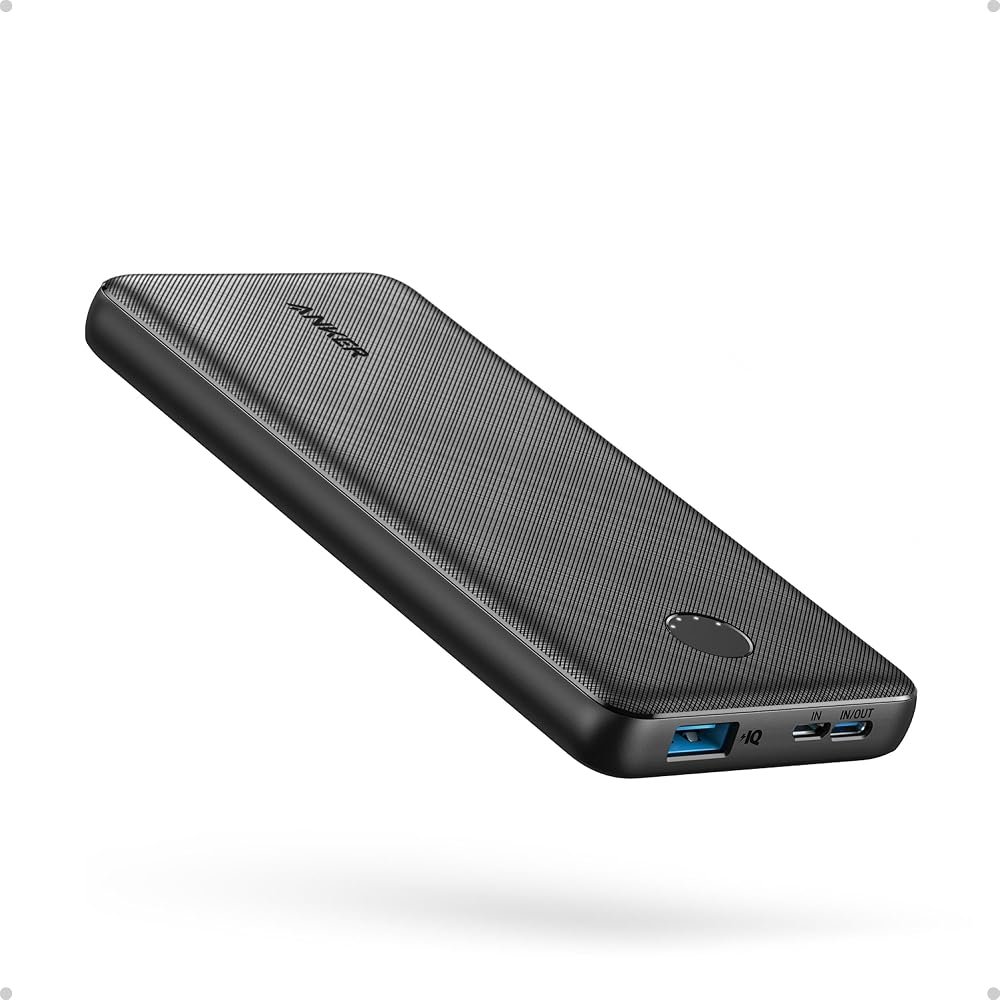
Fills the gap: keeping phones charged
Anker Power Bank, 10,000mAh Portable Charger (USB-C)
A slim 10,000 mAh battery for recharging phones without an outlet. Per the listing it charges and recharges over USB-C, and it comes with a USB-C cable.
What’s good: Slim and light. It is easy to keep in a go-bag or a drawer.
What’s not: A power bank holds a limited charge and slowly loses it while sitting. Charge it every few months and pack the right cable for your phone.
Best for: Every household. Your phone is your map, your contact list and your alert system.
Free or cheaper option: Keep your phone charged, lower its screen brightness and turn on low-power mode in an outage.
Check it on AmazonPaid link. We may earn a commission at no extra cost to you. Check the current price and details on Amazon.
5. First-Aid Supplies
A first-aid kit is an important part of emergency preparation. A basic kit may include:
- Bandages
- Gauze
- Antiseptic supplies
- Medical tape
- Basic first-aid items
- Personal medications
Customize your kit for your household. Remember to check expiration dates and replace used supplies.
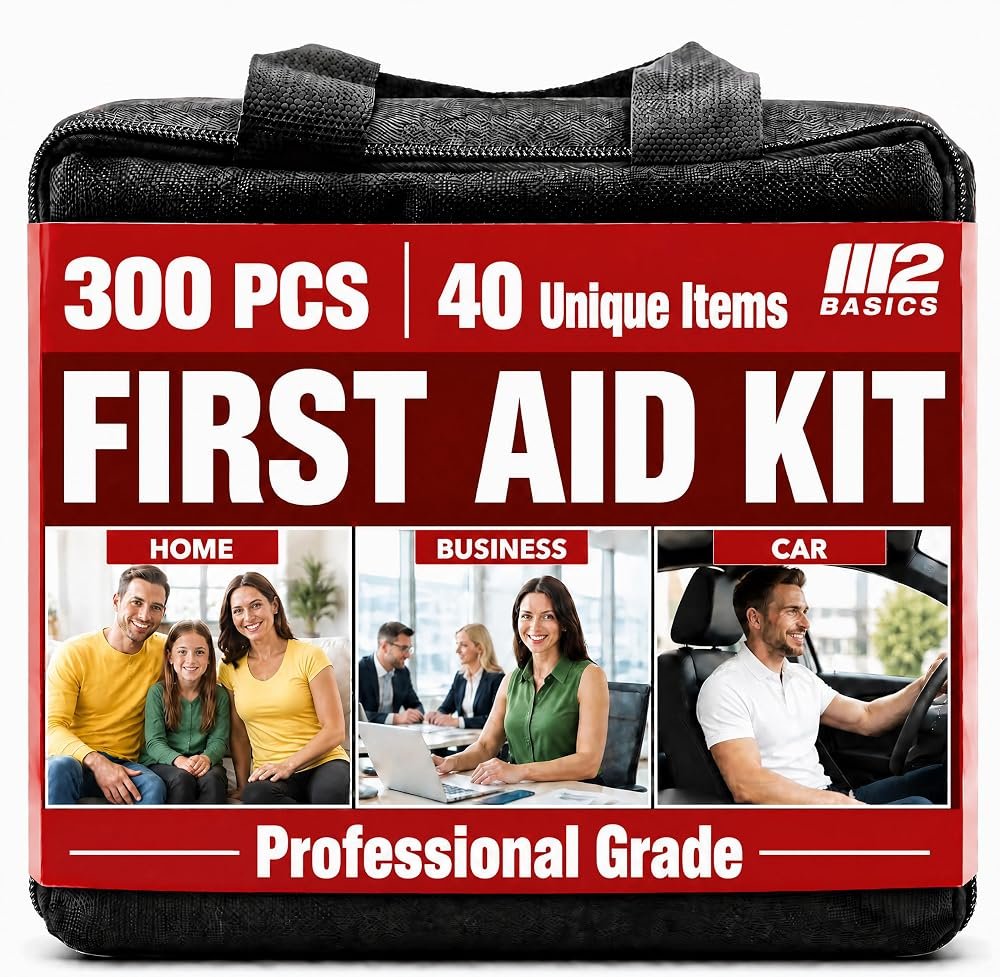
Fills the gap: a ready-made first-aid kit
M2 BASICS 300 Piece First Aid Kit
A general-purpose kit in a fabric bag. Per the listing it has 300 pieces across 40 item types, including bandages, gauze and antiseptic items.
What’s good: A complete starting point in one bag, so you do not have to buy each item separately.
What’s not: A high piece count is mostly small bandages, and it does not cover your prescriptions or your family’s needs. Add your own medicines and check expiration dates.
Best for: Households that want to start with one solid kit and customize it later.
Free or cheaper option: Assemble your own from the list above and add items for your household, then compare it with a kit like this.
Check it on AmazonPaid link. We may earn a commission at no extra cost to you. Check the current price and details on Amazon.
6. Personal Hygiene Supplies
Emergency situations can make normal routines more difficult. Consider including:
- Soap
- Hand sanitizer
- Toothbrushes
- Toothpaste
- Toilet supplies
- Moist wipes
- Personal care items
Small comfort items can make stressful situations easier.
7. Emergency Clothing and Blankets
Consider keeping:
- Extra clothing
- Warm layers
- Rain protection
- Blankets
- Emergency blankets
Choose items appropriate for your climate. A winter emergency requires different preparation than a warm-weather emergency.
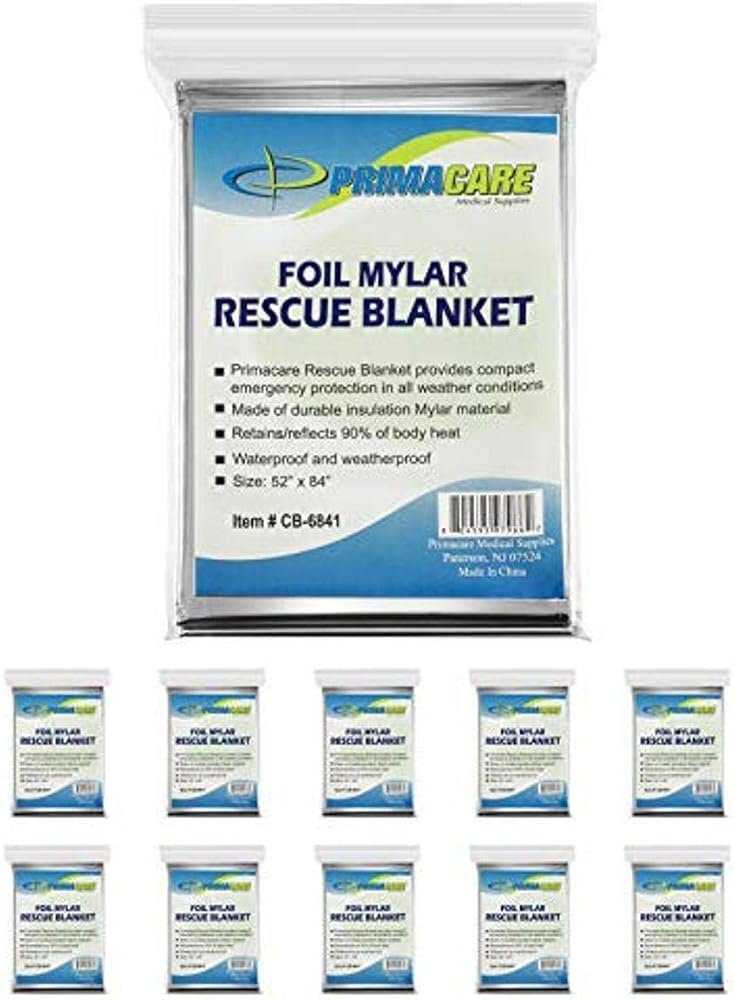
Fills the gap: warmth in a small package
Primacare Emergency Mylar Thermal Blankets (10-pack)
Foil blankets that hold body heat. The listing describes them as waterproof and about 84 by 52 inches.
What’s good: Very small and light, so you can put one in every kit, bag and car.
What’s not: They are a stop-gap. They crinkle and tear, and they do not replace warm clothing or a real blanket. They also do not insulate you from cold ground on their own.
Best for: Anyone building several kits, plus cars and go-bags. Best used with layers.
Free or cheaper option: Pack extra layers of clothing, wool socks and a regular blanket, which are more comfortable and reusable.
Check it on AmazonPaid link. We may earn a commission at no extra cost to you. Check the current price and details on Amazon.
8. Basic Tools and Supplies
A few simple tools can be useful during emergencies. Consider:
- Multi-tool
- Work gloves
- Duct tape
- Scissors
- Basic tools
- Whistle
Choose tools that fit your household needs.
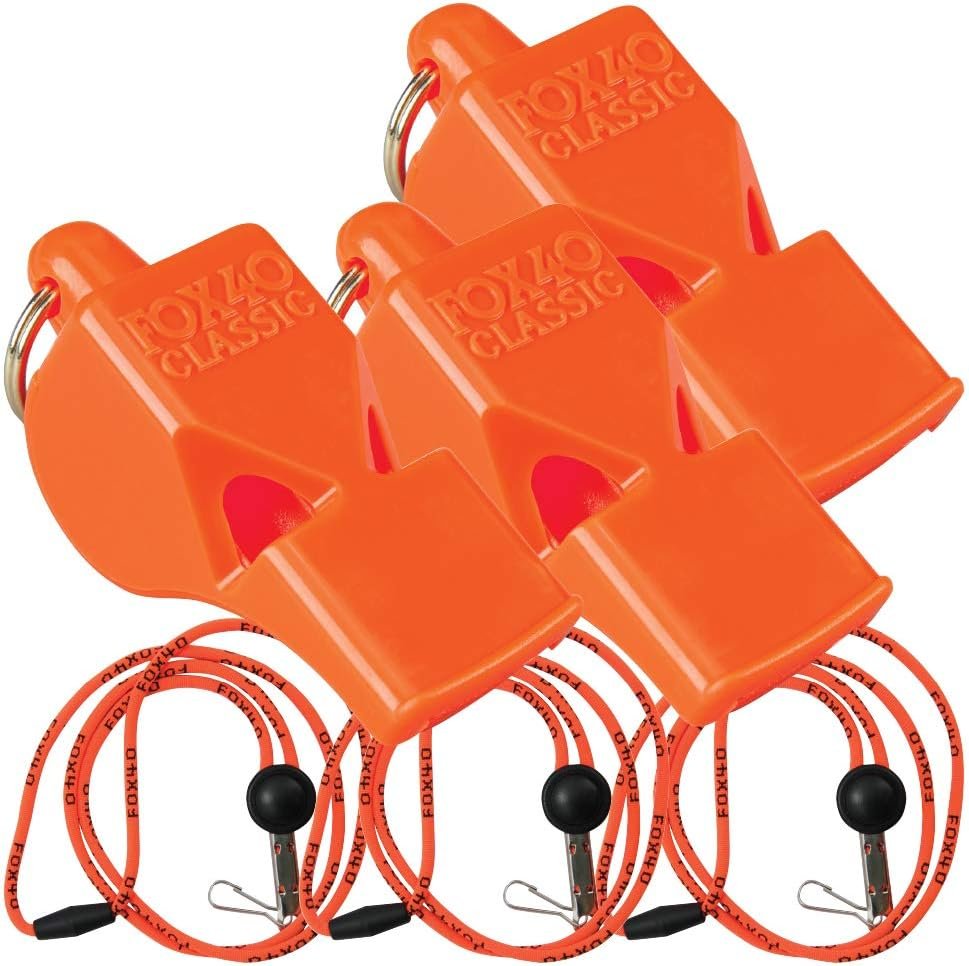
Fills the gap: a way to signal for help
Fox 40 Classic Whistle with Breakaway Lanyard (3-pack)
Ready.gov lists a whistle to signal for help. The listing describes a whistle with no moving parts that can be heard over noise (115 dB) and clears itself when wet.
What’s good: A three-pack lets you give one to each family member or to each bag.
What’s not: It only works if someone is close enough to hear it. Teach children when to use it: for real emergencies, not for play.
Best for: Every household, and especially families with children.
Free or cheaper option: Any whistle from a hardware or sports store works.
Check it on AmazonPaid link. We may earn a commission at no extra cost to you. Check the current price and details on Amazon.
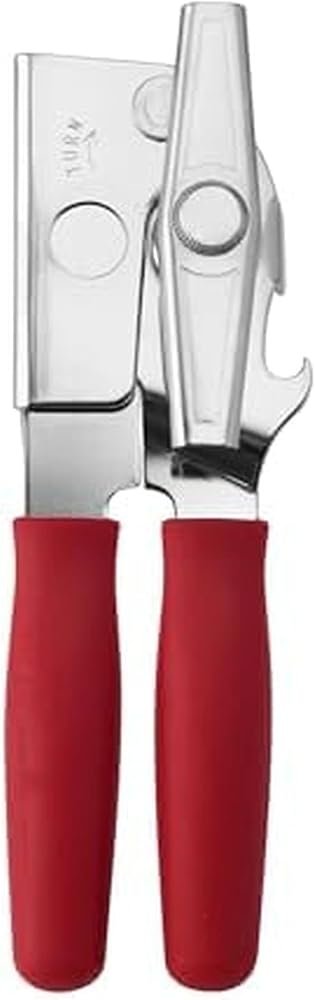
Fills the gap: getting into your canned food
Swing-A-Way Portable Can Opener
A manual can opener. Ready.gov lists one, because electric openers stop working when the power goes out. The listing describes an 8.6-inch steel design.
What’s good: Simple, mechanical and long-lasting.
What’s not: Manual openers take a little practice. Test it on a can now so you know how it works.
Best for: Anyone stocking canned food.
Free or cheaper option: If you already have a manual opener you trust, put it in the kit and stop there.
Check it on AmazonPaid link. We may earn a commission at no extra cost to you. Check the current price and details on Amazon.
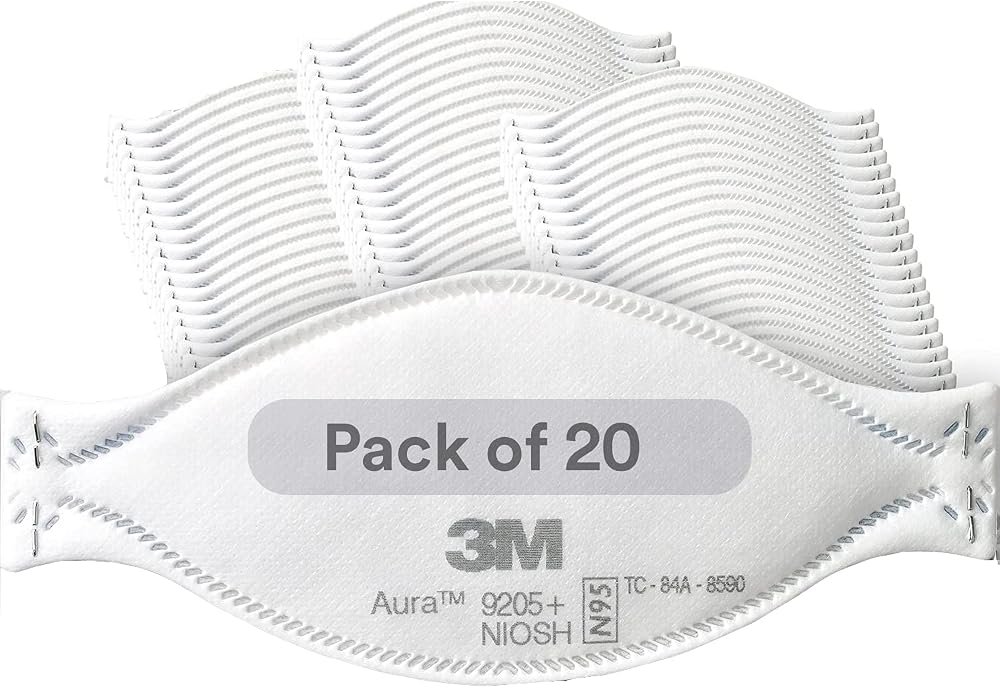
Fills the gap: filtering dust and smoke
3M Aura 9205+ N95 Particulate Respirator (individually wrapped)
A flat-fold N95-style respirator, listed as individually wrapped so a few can be stored clean in a kit.
What’s good: It is compact and hygienic to store, and it is a recognized 3M model.
What’s not: It must fit your face to work, and it does not protect against gases or fumes. It is not for every emergency.
Best for: People in areas with wildfire smoke, dust or debris after storms.
Free or cheaper option: A basic dust mask is better than nothing for dust, though it filters less.
Check it on AmazonPaid link. We may earn a commission at no extra cost to you. Check the current price and details on Amazon.
9. Important Documents and Information
Protect important information before an emergency happens. Consider keeping secure copies of:
- Identification information
- Insurance details
- Emergency contacts
- Medical information
- Household records
Protect sensitive documents appropriately.
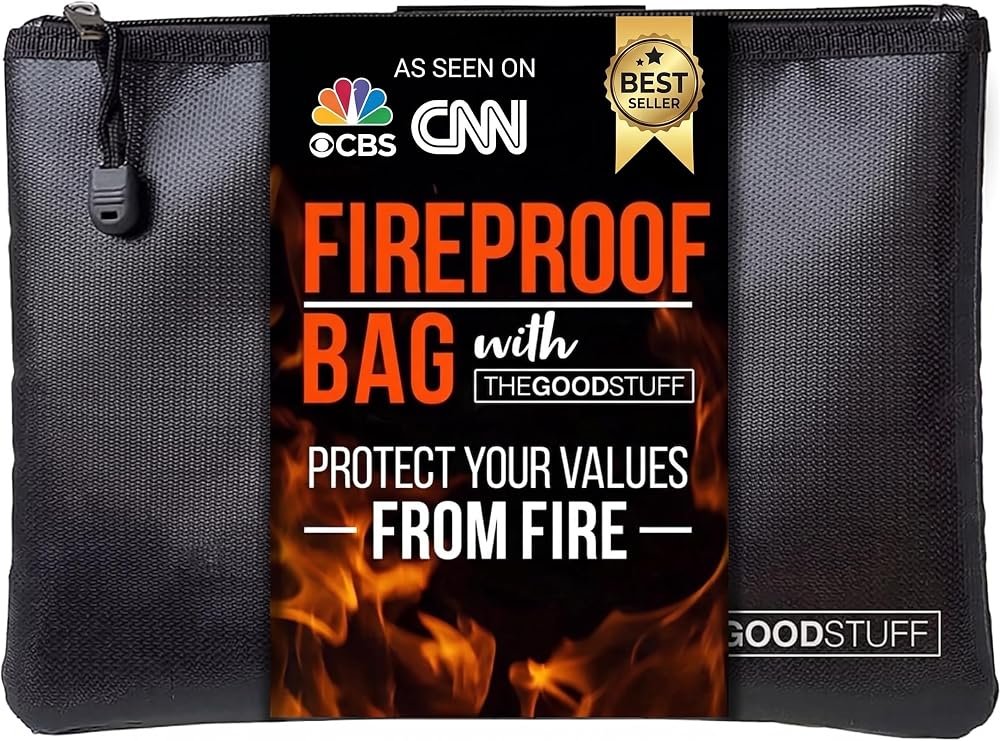
Fills the gap: keeping papers safe and portable
Fire-Resistant Document Pouch (10 x 13 inch, zippered)
A zippered pouch with a fire-resistant, water-resistant coating, per the listing, sized for passports, cash and papers. It is portable, so you can grab it and go.
What’s good: Cheap, flat and easy to grab when you have to leave in a hurry.
What’s not: Fire-resistant is not fireproof, and a pouch is not a safe. Keep digital copies as well, in a place you can reach from anywhere.
Best for: Anyone who needs to keep IDs, insurance details and key papers together and portable.
Free or cheaper option: Photograph or scan the documents and store an encrypted copy in a password manager or secure cloud account with two-step verification.
Check it on AmazonPaid link. We may earn a commission at no extra cost to you. Check the current price and details on Amazon.
For a bolt-down, fire-rated box for the papers you cannot replace, see our apartment security guide.
10. Medications and Special Needs
Every household is different. Consider personal needs such as:
- Prescription medications
- Medical equipment requirements
- Dietary needs
- Infant supplies
- Mobility assistance items
Your emergency kit should be designed around the people using it.
11. Emergency Supplies for Pets
Pets need preparation too. Consider including:
- Food
- Water
- Medications
- Leash or carrier supplies
- Identification information
- Comfort items
Include pets in your emergency plan.
12. Store Your Emergency Kit Properly
Your emergency kit should be:
- Easy to find
- Protected from damage
- Clearly labeled
- Known by household members
Many people prepare supplies but forget where they stored them. Accessibility matters.
Emergency Kit Checklist
Water and Food
- Drinking water
- Non-perishable food
- Manual can opener
- Food preparation supplies
Lighting and Power
- Flashlights
- Extra batteries
- Emergency lantern
- Power banks
- Charging cables
Health and Hygiene
- First-aid kit
- Medications
- Hygiene supplies
- Personal care items
Communication
- Emergency radio
- Emergency contacts
- Backup communication options
Tools
- Multi-tool
- Gloves
- Tape
- Basic supplies
Personal Needs
- Clothing
- Blankets
- Pet supplies
- Important documents
Common Emergency Kit Mistakes
Mistake #1: Building a Kit and Forgetting It
Emergency supplies need regular review.
Mistake #2: Only Preparing for One Person
Make sure your supplies match your household.
Mistake #3: Buying Supplies You Don’t Understand
Know how your equipment works before you need it.
Mistake #4: Ignoring Maintenance
Check:
- Batteries
- Food dates
- Medications
- Equipment condition
Should You Buy a Pre-Made Emergency Kit?
Pre-made kits can be convenient. However, they may not include everything your household needs. Before purchasing one, check:
- Number of people covered
- Food and water quantities
- Quality of supplies
- Missing personal items
- Storage requirements
A customized kit is often better because it matches your actual situation.
Final Thoughts
A 72-hour emergency kit is not about fear. It is about preparation. Start with the basics: water, food, lighting, communication, first aid, and personal needs.
Build your kit gradually and review it regularly. Preparedness is one of the simplest ways to create confidence when unexpected situations happen.
Secure4Peace — Smart Security. Safer Living. Peace of Mind.
Sources
Disclosure: As an Amazon Associate, Secure4Peace earns from qualifying purchases. Some links in this guide are affiliate links, and we may earn a commission at no extra cost to you. We choose products by reading manufacturer specifications and retailer listings. We have not tested these products ourselves. Prices and availability change often, so we do not list prices. Please check the current details on Amazon before you buy.
← Back to Home Safety Guides